Car Insurance vs Mechanical Breakdown Plans for Engines
Short answer first: regular car insurance almost never pays for an engine that dies of mechanical wear, and after years of watching owners learn that lesson at the worst possible moment, I stopped sugarcoating it. Whether car insurance covers engine failure comes down to cause, not cost — a collision, fire, flood, or theft that damages the engine is usually claimable, while a seized motor with no accident behind it is yours to fund. If you want the full picture before you call your adjuster, a complete auto repair insurance guide walks through the contract language that quietly decides cases like yours.
Table of Content
Does Car Insurance Cover Engine Failure?
What Your Policy Actually Covers
Collision coverage pays when your car strikes something or gets struck, while comprehensive handles theft, fire, flood, hail, and animal strikes. Neither is a maintenance contract, so both respond to sudden, identifiable events rather than slow decline. If a rear-end impact cracks your oil pan and the engine seizes a mile later, that sequence normally qualifies as a covered loss. The adjuster is not really asking whether the engine failed.
That single question — what caused the failure — separates a paid claim from a denied one. Flood water entering the intake, a wiring fire that melts a harness, or road debris puncturing the block all fall under comprehensive or collision, and those repairs routinely reach five figures. Mechanical breakdown, normal wear, and parts that simply expire are excluded almost universally. Your declarations page and endorsements are the only authoritative answer.

Why Mechanical Breakdowns Sit Outside the Contract
Insurers price risk from accident statistics, not repair invoices. A worn bearing, a stretched timing chain, or a failing oil pump is predictable degradation, and predictability is precisely what an insurance pool cannot absorb profitably. That is the mechanism behind the exclusion — not corporate cruelty, just actuarial arithmetic. Your premium buys protection against random events, and an engine reaching the end of its service life is about as unrandom as it gets.
Policy documents usually state this plainly under exclusions, listing mechanical failure, breakdown, and gradual deterioration in one sentence. Owners regularly assume full coverage means everything, then discover the phrase only describes collision plus comprehensive. Sorting your specific problem into the right category takes ten minutes of reading and can save months of arguing.
Which Engine Failures Slip Through the Cracks?
Accident-Linked Damage vs Gradual Decline
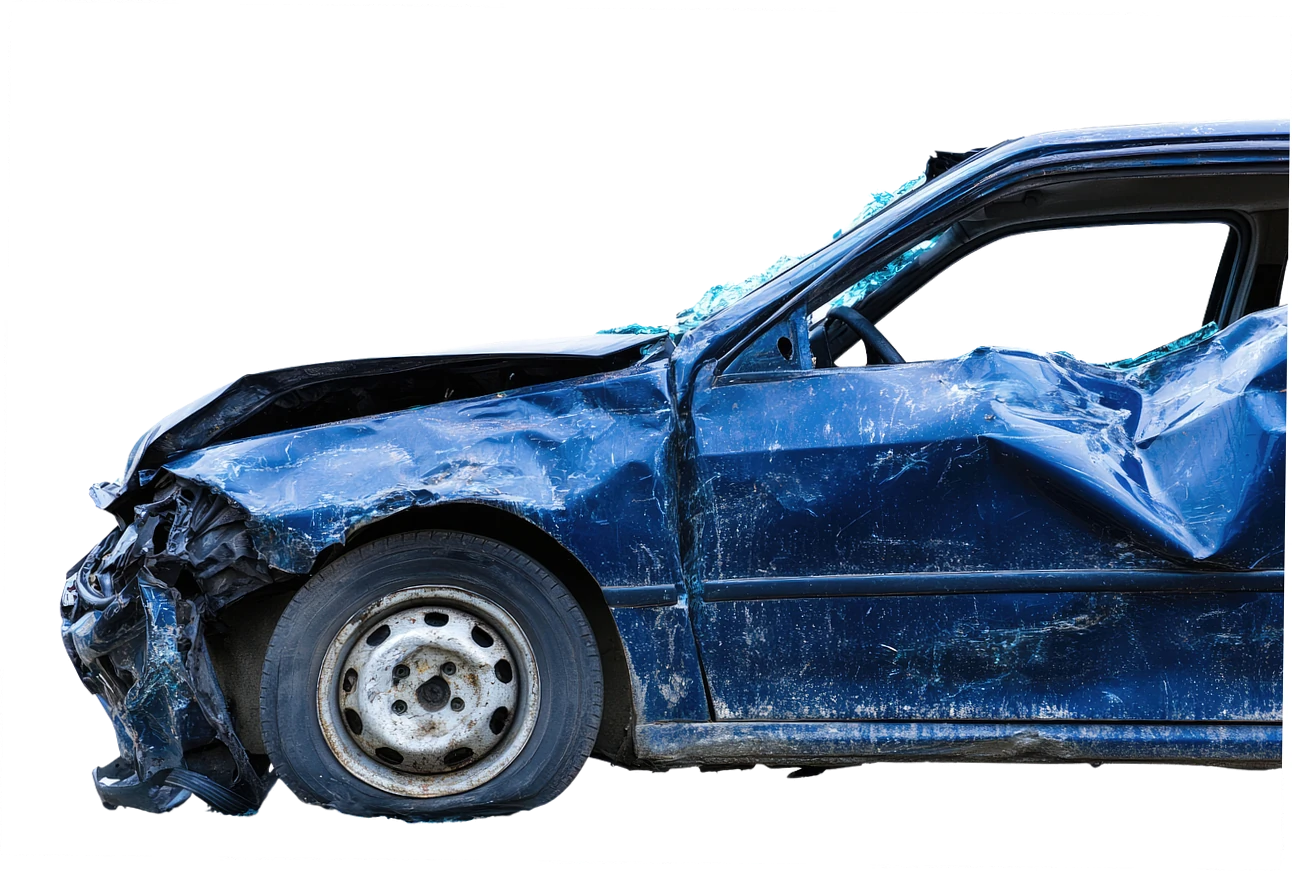
There is a genuine gray zone here, and it is where most disputes are won or lost. Hitting a deep pothole, running over road debris, or clipping a curb can crack an oil pan, puncture a radiator, or bend a subframe, all of which starve an engine of oil or coolant and destroy it downstream. Insurers generally cover that resulting damage when you can demonstrate the impact caused it.
Evidence decides these files. Photographs of the damaged component, a tow receipt, a police report for a multi-vehicle event, and a mechanic’s written opinion linking impact to failure all strengthen your position. Without that chain, an adjuster sees an aging engine and a hopeful narrative, and the claim closes as mechanical breakdown. Gradual decline has no triggering event to point at, which is exactly why it rarely gets paid.
Blown Head Gaskets and Transmission Failures
A head gasket can fail for two very different reasons, and the reason drives the outcome. Overheating from a failed water pump or a slow coolant leak is mechanical, so blown head gasket coverage generally falls on your side of the ledger. If an accident punctured the radiator and overheating followed as a direct consequence, the identical repair can fold into a collision claim instead.
Gearboxes follow the same pattern: transmission repair coverage is nearly always excluded when a clutch wears down or a solenoid fails from age, yet a collision that cracks the transmission case or a flood that contaminates the fluid can flip the result entirely. Identical component, different story, different checkbook. Check the cause-of-loss wording in your contract before assuming the worst.
Air conditioning lives in that bucket too. A system that slowly bleeds refrigerant, seizes a compressor, or rots a line is simply wearing out, and most adjusters treat those AC repair claims as routine maintenance the owner owes. Sudden damage from a front-end impact is a separate conversation, which is why cause matters far more than component.

Mechanical Breakdown Insurance vs Extended Warranties
What These Contracts Actually Promise
Since standard policies stop at the engine bay door, a separate product has to bridge the gap. Mechanical breakdown insurance and extended service contracts are the two main options, both marketed squarely at the scenario above. The distinction is regulatory as much as practical: mechanical breakdown coverage is treated as insurance in most states, while extended warranties are service contracts governed by different consumer protection rules.
Quality varies enormously. A decent contract lists covered components — engine internals, transmission, cooling system, electrical — alongside a deductible and a payout cap, often tied to the vehicle’s market value. A weak one lists exclusions so broad that nearly every real failure slips through. Reading the what is not covered section first tells you more than any brochure headline.

Where the Fine Print Bites
Here is where experienced owners get cynical, and the cynicism is earned. Many drivers describe paying premiums for years only to see a serious claim denied over a technicality: a missed oil change interval, an unapproved repair shop, or a pre-existing condition clause applied after the fact. Others report clean payouts that covered a full engine replacement. The split usually tracks how carefully the buyer read the contract.
| Coverage Option | What Sellers Promise | What Owners Report |
|---|---|---|
| Mechanical breakdown insurance | Bumper-to-bumper protection for major components | Payouts happen, but claims hinge on documented maintenance and pre-approval |
| Extended service contract | Peace of mind for one low monthly payment | Wildly inconsistent — some pay cleanly, others deny on maintenance technicalities |
| Dedicated repair savings fund | Rarely marketed at all | Full control and zero denial risk, but growth is slow and entirely self-funded |
| Standard auto policy | Full coverage protection | Pays only for accident-linked engine damage, never gradual mechanical failure |
The arithmetic behind that table is unforgiving. Sixty dollars a month equals $720 a year, and if the engine outlives the contract you have simply donated that money. Whether the premium ever returns to you depends less on the product than on your own luck with timing and maintenance.
What an Engine Repair Actually Costs You
Rebuild, Replace, or Walk Away
Real numbers make this decision concrete. A head gasket job on a four-cylinder engine commonly lands between $1,500 and $3,000 including machining, gaskets, and labor. A remanufactured engine installed by an independent shop often runs $4,000 to $8,000, while a dealership installation on a European model can pass $12,000. Published labor guides support those ranges, and regional rates shift them.
The repair-or-scrap calculation is simple arithmetic: compare the estimate against the car’s current market value. Putting a $7,000 engine into a vehicle worth $5,000 buys transportation, not equity. A high-mileage 2011 sedan with a dead motor usually heads to a scrapyard, while a 2019 model with low miles and a valid warranty extension often justifies the spend.
| Scenario | Typical Repair Cost | Vehicle Value | Practical Call |
|---|---|---|---|
| Timing chain failure, 2019 compact, 70k miles | $3,000–$5,500 | $14,000–$18,000 | Repair |
| Blown head gasket, 2011 sedan, 150k miles | $1,800–$3,200 | $2,500–$4,000 | Borderline — verify compression first |
| Seized engine, out-of-warranty luxury SUV | $9,000–$15,000 | $12,000–$20,000 | Get three independent quotes |
| Rod knock from oil starvation, older economy car | $4,000–$7,000 | $3,000–$5,000 | Usually scrap |
The Loan Problem Nobody Mentions
Here is the trap that catches younger buyers hardest. If you still owe money on a car with a dead engine, letting it sit does not pause the loan. Total loss and gap coverage only trigger after an accident, never after a mechanical failure, so a seized motor leaves you paying monthly for a vehicle you cannot drive. Many owners then finance the repair and stack new debt on old.
The least painful exit is usually to repair first, then sell or refinance once the car runs again. Skipping payments damages your credit and does not erase the balance. Thinking through this scenario before it happens is unglamorous but genuinely valuable, and it is the difference between one bad month and three bad years.
How to Protect Yourself From Engine Failure
Build a Repair Fund Instead of Buying Coverage
For most drivers with a paid-off, reasonably reliable car, the auto repair insurance value simply does not clear the bar, and I would choose a dedicated repair account instead. Setting aside $150 monthly builds $1,800 a year, and after three years you hold an engine-sized cushion no adjuster can deny. It grows slower than a payout arrives, but there is no deductible and no fight.
When a catastrophic failure would genuinely wreck your finances, a mechanical breakdown policy becomes defensible, especially on a newer vehicle loaded with expensive electronics. Cap the premium below what you could comfortably save instead, and insist on a contract that names covered components rather than promising vague comprehensive protection.
Document Everything and Read the Exclusions
Whichever route you take, keep records. Service receipts with dates and mileage, oil change invoices, and photographs of any damage create the paper trail that decides disputed claims. If an accident damages your undercarriage, have a mechanic document the causal link between impact and engine failure before repairs begin, because that written opinion often becomes the entire claim.
Finally, confirm what your policy actually says instead of what a phone representative implies. Request the exclusions section in writing and keep the email. When a repair estimate is already sitting on the counter, that single document outweighs any argument you could improvise on the spot.
Common Questions About Engine Failure Coverage
Does car insurance cover a blown engine?
Only when the failure traces back to a covered event such as a collision, fire, flood, or theft. An engine destroyed by low oil, overheating, or a worn bearing is a mechanical breakdown, and standard policies exclude it. The cause of loss decides the outcome, not the size of the invoice.
Will insurance pay if my engine seizes after an accident?
Usually yes, provided the accident clearly caused it. If impact damage drained your oil or coolant and the engine seized afterward, the loss belongs inside the collision claim. Keep the damaged parts, photograph them, and ask your mechanic to document the connection.
Is mechanical breakdown insurance worth the premium?
It depends on your cash reserves and your car’s repair costs. Owners who cannot absorb a five-figure surprise often find it worthwhile, while those with savings usually come out ahead by self-insuring. Compare the annual premium against what that same money would grow to elsewhere.
Does a manufacturer warranty cover engine failure?
Frequently yes, within the powertrain term — commonly five years or 60,000 miles, occasionally longer. Once that window closes you are relying on an extended contract or your own funds. Check the original warranty booklet before assuming a dealer will absorb the bill.
Why do insurers exclude wear and tear?
Because gradual degradation is predictable, and insurance exists for unpredictable events. An engine wearing out at 140,000 miles carries a known probability, not a random loss. That actuarial logic sits behind nearly every mechanical exclusion in a standard policy.
Can I claim engine damage from driving through deep water?
Sometimes, if you carry comprehensive coverage and the water entered during a flood rather than a deliberate attempt to cross a swollen river. Hydrolock from a flooded road is often covered; damage after repeatedly restarting a submerged engine is frequently disputed. Report it immediately and do not crank the motor.
What should I do if my engine claim is denied?
Request the denial in writing with the specific exclusion cited, then ask your mechanic for a written causation opinion. If the failure genuinely connects to an accident, submit that document as a supplement. Many denials get reversed once the causal chain is documented clearly.