How to Prove Collision Caused Head Gasket Failure
Does car insurance cover a blown head gasket? In nearly every claim I have seen, the honest answer is no — a standard policy pays for sudden, accidental damage, not a gasket that failed from heat, age, or a slow coolant leak. That one distinction decides thousands of dollars, and a reliable auto repair insurance guide helps explain why the same exclusion repeats across engine, transmission, and drivetrain repairs.
Table of Content
- Why Car Insurance Rarely Covers Head Gaskets
- Which Policies Pay for Head Gasket Repair
- How to Prove Accident-Related Head Gasket Damage
- Head Gasket Risks, Denials, and Mistakes
- Head Gasket Repair vs Replacing the Car
- Acting Fast After a Blown Head Gasket
- Frequently Asked Questions About Head Gasket Coverage
Here is the practical version: If a crash cracked your radiator and the engine overheated as a result, you have an argument worth making. If your temperature gauge crept upward over three weeks and you kept driving anyway, you are paying out of pocket. Everything below separates those two realities, because the gap between them is the gap between a $2,900 check and a $2,900 bill.
Why Car Insurance Rarely Covers Head Gaskets
What the Mechanical Breakdown Exclusion Means
Every personal auto policy I have read buries a mechanical breakdown exclusion in the same clause as wear and tear: Your insurer covers collisions, theft, weather, fire, and vandalism — not components that simply wore out. A head gasket that fails from a warped aluminum head, detonation, or a slow coolant leak lands squarely in that second bucket, which is why the adjuster’s first question is always about cause.
The mechanics support that reading. A head gasket only fails when combustion pressure, coolant, or oil finds a path it should not, usually after overheating or a decade of thermal cycling. Because the failure is internal and progressive, adjusters classify it as a maintenance outcome rather than a sudden loss, even when the warning lights appeared without any obvious buildup.
When a Collision Changes the Coverage Answer
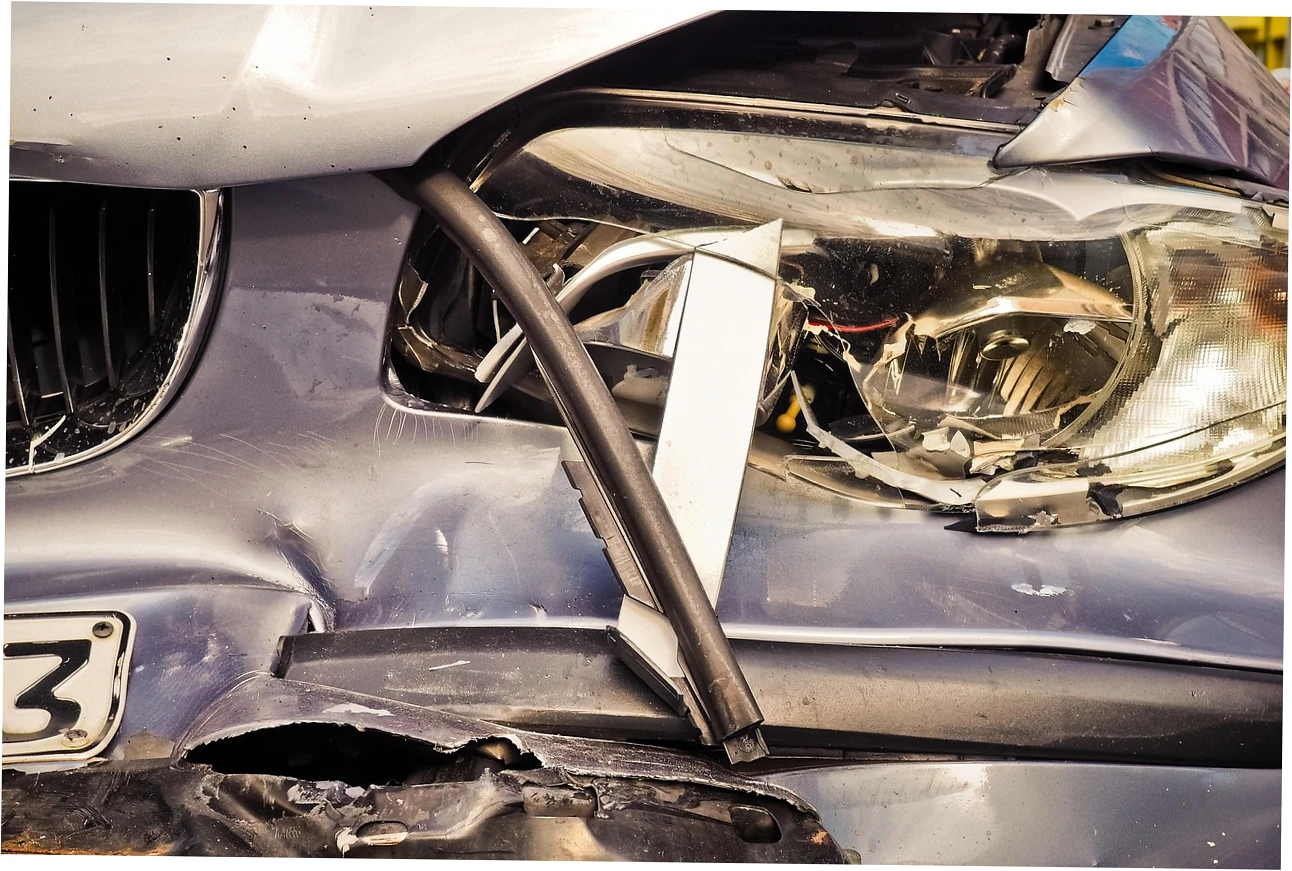
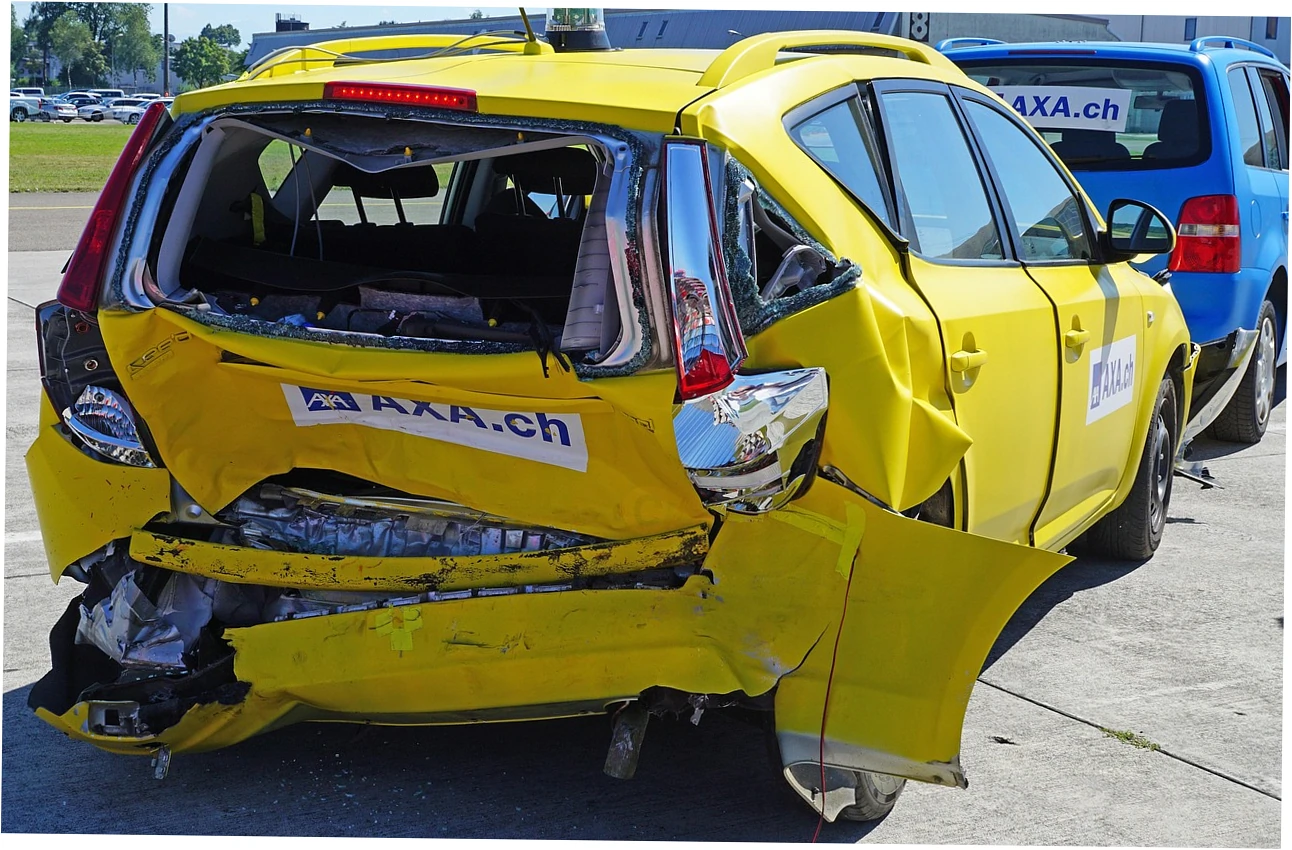
One genuine exception exists, and it is worth fighting for: If a covered collision directly damages the engine — a crushed radiator, a cracked oil pan, a punctured block — the resulting repair can be covered, including the head gasket work that follows. Causation is the entire argument, documented through photographs, fluid levels, and a mechanic’s written opinion naming the impact as the origin.
Adjusters frequently push back on what they call consequential damage, insisting the gasket was already weakening before the impact. That dispute is winnable with evidence: the tow receipt, photos of coolant and oil, and a shop estimate that explicitly ties the gasket failure to the collision rather than to mileage or age.
Comprehensive vs Collision for Engine Damage
Collision coverage responds when your car strikes something; comprehensive handles flooding, hail, fire, and animal strikes. Deep-water driving is the classic gray zone — hydrolock can bend a rod and blow the gasket, and while many insurers treat sudden flood damage as a comprehensive claim, others invoke water-in-engine exclusions. Wording varies by state and insurer, so read the exclusions page before you assume anything.
| Failure Scenario | Likely Outcome | Policy Reasoning |
|---|---|---|
| Head gasket blown from overheating or age | Denied | Mechanical breakdown and wear exclusions apply |
| Gasket failure after a collision damages the radiator | Often covered | Sudden accidental damage with clear causation |
| Hydrolock from driving into deep water | Mixed | Comprehensive may apply; water-in-engine clauses vary |
| Engine ruined after ignoring a coolant leak | Denied | Negligence and failure to maintain |
| Damage while the car is stolen or vandalized | Covered | Theft and vandalism are named perils |
| Fire, flood, or falling tree at your home | Covered | Comprehensive perils, subject to your deductible |
Which Policies Pay for Head Gasket Repair
Manufacturer Powertrain Warranty Rules
Newer vehicles have a real ally here: the powertrain warranty. Most manufacturers cover the engine and cylinder heads for five years or 60,000 miles, and Hyundai, Kia, and Mitsubishi extend that to 10 years or 100,000 miles for original owners. A leaking head gasket typically qualifies unless the dealer can demonstrate clear neglect on your part, which is a higher bar than most owners realize.
What keeps those claims alive is paperwork. Service records showing regular oil changes, plus a repair order proving you addressed the first sign of overheating, separate an approved engine teardown from a denied one. Ask the service writer to note the coolant level and temperature history directly on the repair order, and keep every invoice.
Extended Warranty vs Mechanical Breakdown Coverage
Aftermarket vehicle service contracts, usually marketed as extended warranties, are the most realistic route to reimbursement for a used car. The same reasoning that shapes engine failure claims applies here: sudden internal failures get approved, while wear, neglect, and pre-existing conditions get denied. Expect a $100 to $200 deductible and a mandatory waiting period before coverage begins.
Before you buy one, read what the contract calls a covered component. Many contracts list the cylinder head and gasket explicitly; others cover only internally lubricated parts and leave the gasket outside the definition. A $1,500 service contract that excludes the exact failure you are worried about is a donation, not protection.
| Situation | What the Contract Says | What Owners Report |
|---|---|---|
| Gasket failed after overheating | Excluded as mechanical breakdown | Paid out of pocket; several owners say no adjuster ever inspected the car |
| Service contract claim | Covered with documented maintenance | Approvals routine with records; denied when coolant leaks were ignored |
| Gap insurance | Total-loss coverage only | Owners assumed it covered engine repairs; it never does |
| Driving on a failing gasket | Not a coverage question | Some drove months with coolant top-offs; others lost the engine within miles |
| Stop-leak sealant | Not insurable | Cheap short-term fix; shops report clogged heater cores and radiators |
| Repair vs replace the car | Not a coverage decision | Many owners found repair cheaper than a comparable used car |
Gap Insurance and Rental Reimbursement Myths
Two add-ons cause most of the confusion. Gap coverage applies only when a vehicle is totaled and you owe more than its actual cash value, so it never touches a mechanical repair. Rental reimbursement triggers after a covered claim, which means a head gasket job at your local shop leaves you paying for the loaner out of your own pocket.

How to Prove Accident-Related Head Gasket Damage
Evidence Your Adjuster Actually Wants
Build the file before you call in the claim: Photograph the coolant reservoir, the dipstick, the damaged radiator or oil pan, and the odometer. Ask the shop to write a causation statement naming the impact as the origin of the failure. Vague estimates get denied; specific, dated, photographed ones get paid, sometimes on the first review.
A compression test and a cooling-system pressure test are the two diagnostics that distinguish a cracked head from a warped one, and both produce numbers an adjuster cannot wave away. Request those results in writing, even if you pay an hour of diagnostic labor to get them, because the burden of proving causation sits with you.

Working With Shops and Claims Adjusters
Independent shops are often better allies than dealerships in causation disputes, because they will put an opinion in writing for a modest diagnostic fee. If the first adjuster denies the claim, ask for the specific exclusion in writing and escalate to your state insurance department; documented appeals are the standard next move when an exclusion is misapplied.
Head Gasket Risks, Denials, and Mistakes
Driving on a Blown Head Gasket
Owner experience here splits sharply. Some people limp along for months, topping off coolant at every fuel stop, while others destroy the engine within a few miles. What drives the difference is how the gasket failed: A small coolant-to-cylinder leak is survivable briefly, but oil dilution and sustained overheating warp heads and score bearings fast.
The lack of warning is what catches people off guard. Sweet-smelling exhaust, milky oil on the dipstick, a coolant reservoir that keeps dropping, and temperature spikes at idle are the usual tells. No scan tool announces a failed gasket; the evidence is physical, and a mechanic can confirm most of it in an afternoon.
Stop-Leak Products and Other Shortcuts
Sealant poured into the radiator does sometimes hold for a year or two, and a $15 bottle is undeniably tempting when a shop quotes four figures. Shops see the other side: plugged heater cores, clogged radiator passages, and a cooling system that needs replacing on top of the gasket. Treat it as a bridge to a real repair, never a cure.
Negligence, Lapsed Maintenance, and Denials
The fastest way to lose a warranty or service-contract claim is a gap in maintenance records. Running an engine low on coolant after you noticed the leak, or ignoring a temperature gauge pinned in the red for weeks, hands an adjuster a defensible reason to label the failure negligence rather than a covered breakdown.
Head Gasket Repair vs Replacing the Car
What the Repair Typically Runs
Expect roughly $1,500 to $3,000 at an independent shop for a four-cylinder engine, with labor consuming $1,000 or more of that total. V6 and V8 jobs, cylinder heads that need machining, or a cracked block push figures past $4,000. Dealer quotes commonly run 20 to 40 percent higher than independent estimates.
| Your Situation | Typical Repair Cost | Comparable Replacement | Sensible Call |
|---|---|---|---|
| Four-cylinder commuter, otherwise healthy | $1,500–$2,200 | $10,000 used | Repair |
| V6 with warped heads needing machining | $2,800–$4,500 | $12,000 used | Repair if body and transmission are sound |
| Older car with a slipping transmission too | $2,500 | $8,000–$15,000 | Usually replace |
| Car worth less than the repair estimate | Exceeds vehicle value | Any running vehicle | Sell as a mechanic’s special |
| Under powertrain or service contract | $0–$200 deductible | Not applicable | Claim it, then repair |
When Fixing Still Makes Sense
Owners who repaired a gasket at 160,000 miles and drove past 200,000 are not unicorns; properly machined heads with new gaskets hold up for years. The math favors repair when the rest of the car is sound, you know its maintenance history, and a comparable replacement costs five figures. It favors walking away when the transmission is tired too.
Acting Fast After a Blown Head Gasket
Stop driving, get the cooling system pressure-tested, and collect two written estimates before you decide anything. My rule after watching these jobs go sideways: never authorize a head gasket replacement until someone has checked the head for warping and the block for cracks, because a $2,000 repair that ignores a warped deck becomes a $5,000 engine swap.
If an impact caused the damage, file the claim immediately and request the adjuster’s acceptance or denial in writing with the exact policy language cited. If you are paying yourself, compare repair against replacement using real quotes and real listings, not the emotional pull of a car you have owned for eight years.
Frequently Asked Questions About Head Gasket Coverage
Will car insurance cover a blown head gasket if I never overheated the engine?
Rarely. Insurers tie head gasket failures to heat, age, or coolant loss, not to whether you happened to notice the gauge climb. If no covered peril caused the damage — no collision, fire, flood, or theft — an unexplained failure still falls under the mechanical breakdown exclusion. Your realistic options are a powertrain warranty, a service contract, or paying out of pocket.
Does comprehensive coverage pay for engine damage from water?
Sometimes. Sudden flood or deep-water intrusion can be a comprehensive claim, but many policies contain language excluding water that enters the engine, and hydrolock sits right on that line. Document the water line, photograph the air filter and oil, and expect the adjuster to investigate whether the engine was already compromised beforehand.
Can gap insurance or rental reimbursement help with a head gasket repair?
No on both counts, with one narrow exception. Gap coverage pays the difference between your loan balance and the car’s value after a total loss, never a mechanical repair. Rental reimbursement applies only to covered claims, so unless a collision is paying for the work, the loaner car is your own expense.
How long can I drive with a blown head gasket before the engine is ruined?
It varies enormously, which is exactly why nobody should gamble. A minor coolant-to-cylinder leak with careful top-offs can last weeks or months; oil dilution, coolant in the crankcase, or persistent overheating can destroy bearings and warp the head within a single drive. Any temperature spike above normal is your signal to stop.
Will a stop-leak sealant void my warranty or service contract?
It can. Many service contracts require repairs to follow the manufacturer’s procedures, and pouring sealant into a cooling system is not one of them. If a shop later finds clogged passages or a ruined heater core, an adjuster can attribute the follow-on damage to your repair method and deny the claim entirely.
Is it worth fixing a blown head gasket on a car worth $4,000?
Only with honest numbers. Get two quotes, ask specifically whether the head needs machining, and price comparable replacements in your local market. If the repair runs $1,800 and a decent replacement runs $11,000, fixing usually wins, especially when the car is otherwise reliable. If the transmission or body is also failing, sell it as a project.
I am buying a used car — how do I avoid inheriting someone else’s head gasket problem?
Pay for a pre-purchase inspection that includes a cooling-system pressure test and a compression test, and ask the seller for maintenance records. Check for sweet-smelling exhaust, milky oil, and fresh coolant stains around the block. Blanket warnings about specific models are usually overblown; condition and service history matter far more than reputation.